

 See My Latest Article on HelloNation
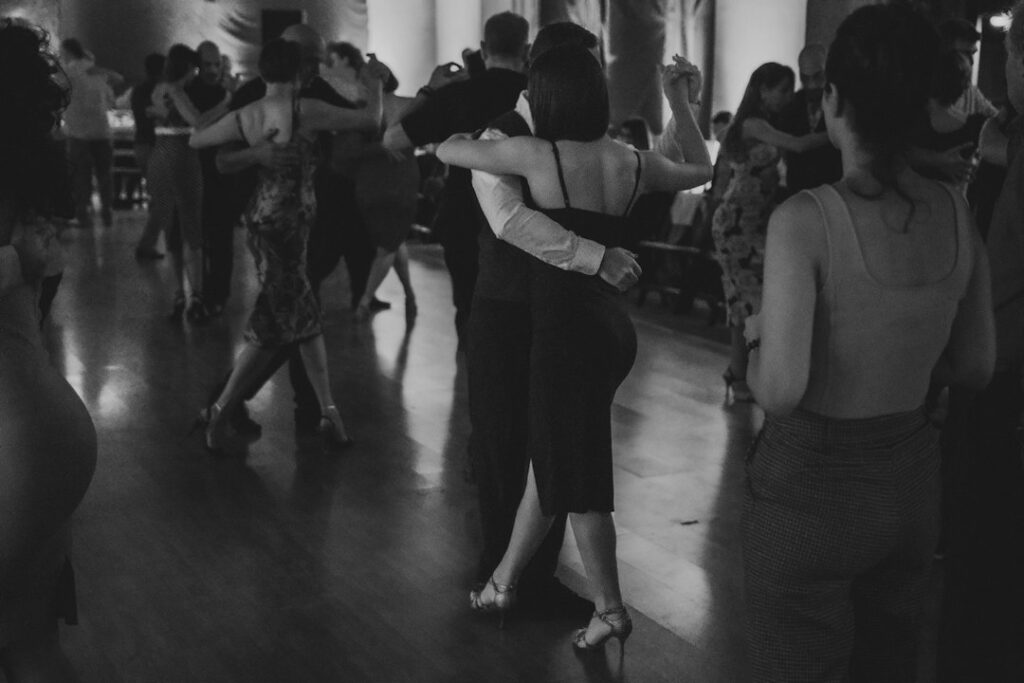
For many residents of Temple, TX, a country dance hall can seem welcoming but unfamiliar at first. The music may be lively, the floor may be crowded, and experienced dancers often appear to move effortlessly. Beginners do not need advanced steps to enjoy the setting, but a few common mistakes can make the first visit more stressful than necessary.
What should a beginner know before arriving?
The main expectation is simple: show consideration for other dancers, follow the floor’s general flow, and accept that learning takes practice. Country dance halls are social spaces, not auditions.
Before going, beginners should consider:
- Wearing clean, comfortable clothing that allows easy movement
- Choosing shoes with a smooth, stable sole rather than heavy athletic tread
- Bringing water, especially during warm weather
- Arriving early enough to observe the floor before joining
- Expecting some unfamiliar dances, music, and etiquette
The climate in Temple can make indoor dancing feel especially warm during much of the year. Lightweight clothing and regular water breaks can help prevent discomfort, particularly for people who are not accustomed to several hours of dancing.
Mistake 1: Trying to learn everything at once
Beginners often assume they need to master multiple dances before stepping onto the floor. That approach usually creates unnecessary pressure.
A better starting point is to learn one basic pattern, such as a simple two-step rhythm or a beginner line-dance sequence. Focus on keeping time with the music, maintaining balance, and moving safely. More complicated turns and variations can wait.
It is normal to miss a step. Experienced dancers generally understand that everyone starts somewhere. The goal during an early visit is not perfection; it is becoming familiar with the rhythm, spacing, and movement of the room.
Mistake 2: Entering the floor without watching first
A dance floor may have more than one pattern of movement. Some dancers travel around the outside edge, while others remain in a smaller area for line dancing or stationary steps. Walking onto the floor without observing can lead to collisions or confusion.
Spend a few minutes watching:
- Which direction traveling couples are moving
- Where line dancers are positioned
- Whether the floor is crowded or has open areas
- How dancers enter and leave
- Whether a particular song appears to have a recognized pattern
If the floor is already busy, joining near the edge or in an open space is usually easier than moving directly into the center of a group.
Mistake 3: Treating every dance as a fast dance
Country music includes slow, moderate, and quick songs. Beginners sometimes try to move at the same speed for every song, which can make their steps feel rushed or unsteady.
Listen for the beat before moving. If the song feels too fast, simplify the steps rather than trying to keep up with a complicated pattern. A smaller, controlled movement is safer and often looks more natural than large steps taken out of time.
Dancers who are unsure can step off the floor for one song, watch the rhythm, and rejoin when the tempo feels manageable.
Mistake 4: Holding a partner too tightly
Partner dancing requires connection, but it should not feel like gripping, pulling, or forcing. A tight hold can make turns uncomfortable and makes it harder for both people to respond to changes in direction.
Hands should remain relaxed. Leaders should guide through clear, gentle movement rather than sudden force. Followers should avoid anticipating every movement and instead respond to the lead as it develops.
If a partner’s grip or movement feels uncomfortable, it is reasonable to create more space or politely end the dance. Personal boundaries remain appropriate in a social dance setting.
Mistake 5: Ignoring floor traffic
A dance floor works much like a shared walkway. Stopping suddenly, moving backward without looking, or crossing through a traveling couple can create problems.
Keep awareness of nearby dancers, particularly when attempting turns. If a mistake happens, continue moving to a safe position rather than stopping in the middle of the floor. If someone is bumped, a brief apology is usually enough.
Beginners should also avoid practicing a new move in a crowded area. Save unfamiliar turns for an open section or a less busy song.
Mistake 6: Wearing unsuitable shoes
Footwear affects balance, comfort, and safety. Shoes that are extremely sticky can make turning difficult, while very smooth soles may slide more than expected. Open-toed shoes can also leave feet vulnerable in a crowded area.
A practical choice is a secure, closed shoe with a modestly smooth sole and good support. New boots or stiff shoes should be worn briefly at home first. Blisters and sore feet can make an otherwise enjoyable evening unpleasant.
Because weather can change quickly, walking surfaces near entrances may also be damp during rain or muddy conditions. Shoes should be comfortable enough for both the trip inside and several hours of standing.
Mistake 7: Assuming a partner will teach an entire dance

Many dancers are happy to explain a basic step, but a social dance is not always the right place for a full lesson. Long explanations during a song can interrupt the flow and create pressure for both people.
A useful approach is to ask one specific question before the music begins, such as whether the dance travels counterclockwise or whether a basic step is appropriate. During the song, follow simple guidance and avoid demanding repeated corrections.
If a full explanation is needed, a structured beginner class or a quiet practice setting may be more suitable than a crowded dance floor.
Mistake 8: Taking corrections personally
Dance instructions can sound direct because timing matters. A correction about foot placement, spacing, or direction is usually intended to prevent confusion or collision, not to criticize someone’s ability.
At the same time, beginners do not have to accept rude behavior. Helpful instruction is brief, respectful, and focused on the movement. Insults, unwanted physical contact, or persistent pressure are not required parts of learning to dance.
A simple response such as “Thanks, I’m still learning” can keep the interaction comfortable while allowing the dancer to decide whether to continue.
Mistake 9: Forgetting basic personal space
Crowded halls require awareness beyond the person directly in front of you. Large arm movements, wide kicks, and exaggerated turns can strike nearby dancers, even when they are performed with good intentions.
Keep movements compact until the floor opens up. Avoid swinging elbows, carrying drinks onto the active floor, or leaving personal belongings where people may trip. If a hat, phone, or loose item falls, wait for a safe moment to retrieve it.
Personal space also applies between dances. A friendly conversation is welcome, but not every dancer wants prolonged physical contact or close conversation with a stranger.
Mistake 10: Leaving after one awkward song
A difficult first song does not indicate that country dancing is unsuitable. The music may be faster than expected, the floor may be crowded, or the dance pattern may simply be unfamiliar.
Beginners often improve quickly by using a gradual plan:
- Watch one song
- Practice a basic step on the edge
- Join for a slower song
- Take a break
- Try again with fewer expectations
Progress is usually easier when the goal is comfort rather than immediate skill. Even experienced dancers occasionally lose the rhythm, miss a turn, or step off the floor to reset.
What is the most respectful way to ask someone to dance?
A clear, low-pressure invitation works best: “Would you like to dance?” Give the other person room to decline without asking for an explanation. A “no” may simply mean the person is resting, waiting for a particular song, or not looking for a partner at that moment.
After the dance, a brief “thank you” is customary. If either person wants to stop, the dance can end politely at the edge of the floor. Respectful invitations and easy acceptance of refusal help create a more comfortable environment for everyone.
How can a first visit be more enjoyable?
Choose a time when there is likely to be room on the floor, observe before participating, and set a modest goal. Learning one rhythm, completing one song, or becoming comfortable with floor direction is meaningful progress.
Most beginners improve by repeating simple movements, staying aware of others, and allowing themselves to make mistakes. A country dance hall is a shared community space, and good etiquette matters more than looking experienced.