

 See My Latest Article on HelloNation
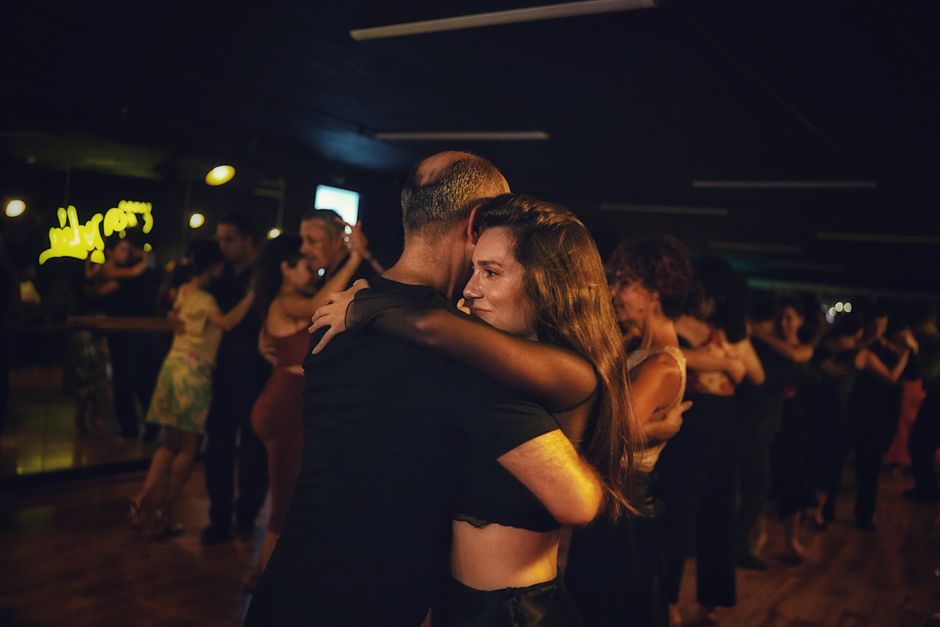
What is the easiest way to meet people at a dance hall?
The easiest way to meet people at a dance hall is to participate in small, repeatable interactions: greet someone near the dance floor, ask for a beginner-friendly dance, join a lesson, or compliment a person’s dancing without interrupting them. Friendships usually develop through several brief conversations rather than one long introduction.
A dance hall can feel intimidating at first, especially if many people appear to arrive with established groups. In practice, country dancing often creates natural opportunities to interact because partners rotate, dances repeat, and people regularly share the floor with someone new.
Start with a simple introduction:
- “Hi, I’m new here. Is this dance beginner-friendly?”
- “Would you like to dance this one?”
- “I’m still learning. Are you comfortable with a slower pace?”
- “Do people usually rotate partners during the lesson?”
These questions make the situation clear without putting pressure on either person.
Should beginners attend alone?
Yes. Attending alone can make it easier to meet people because there is no need to stay within an existing group. A solo visitor can choose a lesson, sit near other attendees, or ask different people to dance throughout the evening.
That said, going with a friend is also reasonable. The key is to avoid spending the entire night talking only with the person who came along. Agree beforehand to participate separately for part of the evening, even if that means taking one lesson or dancing with different partners.
For residents in Temple, TX, evening temperatures and weather can change quickly during the year. Comfortable clothing and practical shoes can make it easier to stay longer, especially if the dance hall has an outdoor waiting area or requires walking across a parking lot. Feeling physically comfortable supports confidence and patience during the first visit.
How should someone ask another person to dance?
A clear, courteous invitation works better than a complicated introduction. Make eye contact, smile, and ask before stepping into the person’s space. If the person declines, accept the answer without asking for an explanation.
Useful wording includes:
- “Would you like to dance?”
- “May I join you for this song?”
- “Would you be interested in trying the next one?”
- “I’m learning the basic steps. Would you like to practice?”
A person may decline because of fatigue, a planned partner, an injury, or simply a desire to sit out. A brief “No problem” keeps the interaction comfortable and leaves room for a friendly conversation later.
It is also courteous to avoid repeatedly approaching the same person throughout the night unless the interest is clearly mutual. A dance hall is a shared social space, not an environment where anyone owes attention, conversation, or a dance.
Do dance lessons help people make friends?
Dance lessons are one of the most reliable settings for meeting people because they give everyone a shared activity and an easy conversation topic. Beginners do not need to arrive with dance experience. Lessons commonly focus on basic timing, footwork, turns, and how to move safely with a partner.
During a lesson, listen to the instructor and give each partner room to learn. Avoid correcting another dancer unless the instructor has asked participants to help one another. A supportive attitude is more welcoming than trying to demonstrate advanced skill.
After a lesson, use the shared experience to start a conversation:
- “That turn took me a few tries.”
- “Have you taken this lesson before?”
- “Do people usually practice this dance during the open floor?”
- “Which dances are easiest for someone still learning?”
These questions are natural because they relate directly to what just happened. They also help identify people who enjoy teaching, practicing, or learning together.
What should someone talk about between dances?
Conversation does not need to be personal or impressive. Light subjects are usually best during an initial meeting.
Appropriate topics include:
- How long someone has been dancing
- Which styles or rhythms they enjoy
- Whether they prefer lessons or open dancing
- How they learned
- What music helps them keep time
- Whether they attend regularly
- Other community activities connected to dancing
Avoid asking intrusive questions about income, relationships, age, or personal history. Do not assume that a person is available for dating simply because they agreed to dance. Friendly conversation and romantic interest are different things.
A good exchange usually includes both speaking and listening. If someone gives short answers, looks toward the dance floor, or turns away, that may be a sign they want a break. Ending politely is simple: “It was nice talking with you. Enjoy the rest of the evening.”
How can regular attendance lead to real friendships?
Friendships are more likely to form when people see one another repeatedly. Attend on a reasonably consistent schedule, greet familiar faces, and remember small details from earlier conversations. Asking, “How did your practice go?” or “Are you trying the lesson tonight?” shows recognition without becoming intrusive.
Consistency matters more than attending every event. A person who visits occasionally but engages warmly can become familiar over time. Say hello to people outside the immediate social circle, including newer dancers. Communities tend to be more welcoming when experienced attendees help reduce the awkwardness of a first visit.
It can also help to set a modest goal for each evening, such as:
- Introduce yourself to one new person
- Join one lesson
- Ask two people to dance
- Speak with someone during a break
- Learn one new step or dance
Small goals prevent the pressure to become socially connected immediately.
What dance-hall etiquette makes people feel welcome?
Good etiquette protects comfort and safety while making social interaction easier. Keep movements controlled, watch for nearby couples, and avoid forcing a partner into a turn or pattern they are not prepared to follow.
Basic courtesy includes:
- Wear clean, comfortable clothing suitable for movement.
- Use footwear that stays secure and does not damage the floor.
- Keep hands in appropriate positions and respect personal boundaries.
- Avoid strong fragrances, which can become uncomfortable in an active room.
- Apologize briefly after an accidental collision.
- Do not criticize a partner’s skill level.
- Return to the edge of the floor when stopping so others can continue dancing.
- Give people space when they are resting or speaking privately.
A considerate dancer is often remembered more favorably than a highly skilled dancer who makes others uncomfortable.
What if someone feels shy or out of place?
Feeling awkward during the first visit is normal. Most people are focused on their own timing, partner, and movements rather than closely judging a newcomer. Beginners also have an advantage: asking for help provides a natural reason to start conversations.
Arrive early enough to observe the room before it becomes crowded. Watch how people enter the floor, where lessons gather, and how dancers signal when a song ends. This reduces uncertainty.
Choose a position near the edge of the activity rather than hiding in a corner. Being visible but not in the center makes it easier for others to offer a greeting or invite participation. If the room becomes overwhelming, take a short break, drink water, and return when ready.
A dance hall does not require a particular personality. Quiet people can build connections through repeated dancing, while outgoing people can make the environment easier for everyone by offering friendly, low-pressure conversation.
How can people stay connected after meeting?
If a conversation goes well, suggest a simple next step rather than pressing for personal information. For example, ask whether the person usually attends lessons or whether it would be appropriate to say hello at another dance.
Some people exchange contact information, while others simply rely on seeing each other at recurring events. Either approach is acceptable. Respect a person’s preference and do not treat a declined invitation as a personal insult.
The strongest connections usually grow from shared routines: learning together, practicing respectfully, and recognizing one another over time. In the local community, patience and consistency can turn a first dance into a familiar greeting, a practice partner, or a lasting friendship.