

 See My Latest Article on HelloNation
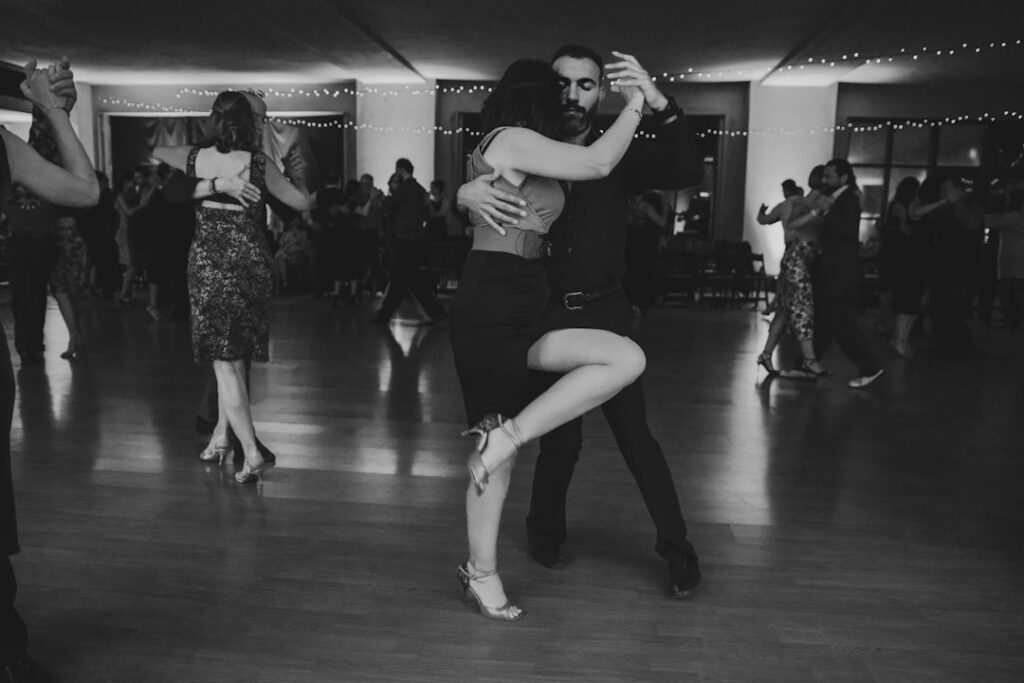
What Is the Country Two-Step and Why Is It So Popular in Temple, TX Dance Halls?
The country two-step is a partner dance with roots in American country music, often played at community halls, music nights, and seasonal festivals in Temple, TX. Its smooth walking rhythm, simple pattern, and upbeat tempo make it a favorite social activity for local residents of all ages. The dance allows beginners to participate comfortably while still giving experienced dancers room to add personal flair.
Local lifestyles in the city often include music, community events, and casual gatherings, all of which provide open invitations for dancing. The two-step stands out because it’s approachable for most, doesn’t require advanced athleticism, and is easy to learn but rewarding to practice.
How Do You Start Learning the Two-Step in Temple?
The basic two-step pattern follows a “quick-quick, slow-slow” rhythm. To get started, you only need a partner, comfortable shoes with a little slide, and enough space—often found at local halls or at home.
Basic steps:
- Lead begins with the left foot, follower with the right
- Step forward: quick (left foot), quick (right foot), slow (left foot), slow (right foot)
- This creates a rhythmic "1-2, 3-4" counted as "quick-quick, slow-slow"
Most social gatherings in the area are casual, so dance floors are often filled with dancers at various experience levels. It’s completely normal to start on the edges of the floor, watching others and practicing before joining the main flow.
What Footwork Tips Help You Look Confident?
Confidence in the two-step starts with posture and placement. Standing upright, keeping a gentle bend in the knees, and keeping movements smooth can distinguish newcomers from those who look like old pros.
- Avoid picking up your feet too much; glide instead of stomp
- Don’t rush the slow steps—use them to reset your balance
- Keep steps close together rather than taking extravagant strides
On crowded floors in Temple, tight turns and compact steps help prevent bumping into neighbors. Rather than worrying about exact precision, focus on moving in sync with the music and your partner.
How Should Partners Hold Each Other for the Two-Step?
Proper partner connection is both functional and comfortable. The leader places their right hand on the follower’s left shoulder blade and offers the left hand out to the follower’s right. The follower rests their left hand on the leader’s right shoulder and places their right hand in the leader’s left.
This hold allows the leader to guide the direction and tempo without force. In most local settings, a relaxed but secure frame is normal—overly stiff or formal holds can look out of place among area households who enjoy a relaxed, down-to-earth style.
Which Common Mistakes Should New Dancers Avoid?
Mistakes are part of learning. Still, a few recurring errors in the local dance community can trip up progress:
- Stepping too far ahead or falling out of sync with the music
- Using arms and shoulders rather than the entire body to guide the partner
- Not watching where the group is moving—most dance halls move counterclockwise with everyone else
- Freezing up or apologizing for every small misstep—confidence and a smile carry you through small errors
Residents new to partner dancing often believe “fancy tricks” are necessary to keep up, but mastering the basic rhythm and connection is more appreciated than complicated moves.
What Are Local Variations or Etiquette to Know?

While two-step is popular throughout Texas, certain unwritten customs help newcomers fit in better at community events. In Temple, dance etiquette includes:
- Starting the dance along the outer edge of the floor and moving counterclockwise with others
- Pausing to wait for beginner-friendly songs, often slower-paced and clearly announced at gatherings
- Avoiding blocking the flow by standing still or chatting on the dance floor
Many local dancers also take pride in improvising a little, adding spins or dips only when both partners are comfortable. Respect for others’ space and willingness to help beginners are hallmarks of the local culture.
How Can You Practice Two-Step at Home or with Neighbors?
Practicing the two-step doesn’t require a formal class. At-home practice can be done on the living room floor, garage, or back patio—anywhere with smooth, unobstructed space. Many area households use wooden or tile floors that make sliding steps easier.
- Play classic or upbeat country music to match the dance’s tempo (usually 120-180 beats per minute)
- Mark out a small area with tape if space is limited
- Practice changing direction and adding gentle turns
- Invite friends or family—learning with others makes the process more enjoyable
Recording yourself or watching community dance nights online can provide feedback and inspiration.
Are There Any Health or Safety Considerations Specific to the Area?
The city’s weather, humidity, and common building styles all play a role in dance safety. During warmer months, floors can become slick with humidity, making proper shoe choice essential—avoid rubber soles that could catch or sandals that could slip. Staying hydrated and wearing lightweight clothing help keep dancing comfortable, especially in crowded, busy halls.
If dancing outdoors or in open-air venues, be mindful of uneven surfaces or local insects, especially in backyard or park settings sometimes used for neighborhood gatherings.
Where Can You Connect with Other Local Country Dancers?
For residents in Temple, the most authentic practice often comes from engaging at community events, local music nights, or festival gatherings. These occasions offer opportunities to see experienced dancers, join group lessons if offered, and practice in a supportive social setting. Watching others and participating in casual group dances will build familiarity and confidence.