

 See My Latest Article on HelloNation
What Should You Wear to a Country Dance Hall?
The ideal outfit for a country dance hall in Temple, TX reflects both tradition and practicality, shaped by local weather and regional dance culture. Comfort, mobility, and respect for dance floor etiquette matter most. There’s flexibility—many participants dress for function and self-expression rather than strict codes.
Temple’s climate is hot for much of the year, so locals often choose lightweight, breathable materials. Even for evening events, it’s common to see short sleeves or rolled sleeves and dresses that suit both the warmer months and air-conditioned interiors.
Why Is Footwear So Important?
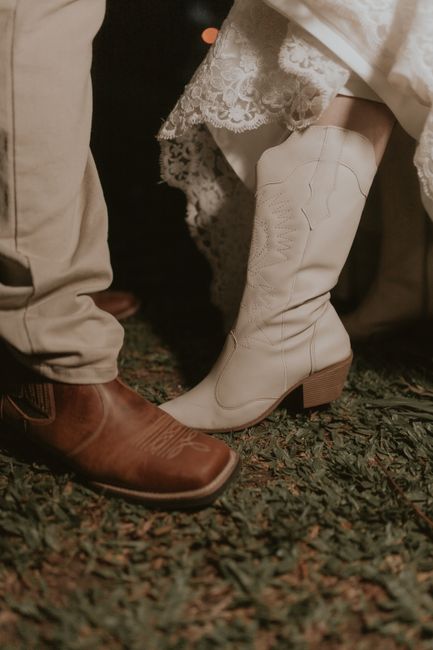
Sturdy, closed-toed shoes with minimal tread provide safety and ease on dance floors. Most people prefer cowboy boots for both tradition and function, but other boots or leather-soled shoes are also common. Open-toed shoes, flip-flops, and high spiked heels are often discouraged. They increase the risk of stubbed toes, slips, or being stepped on, and can scuff or damage dance floors.
If you’re new to country dancing, consider:
- Well-broken-in boots or shoes that allow for easy turning and quick stops.
- Shoes without rubber soles if you plan on learning spins, two-stepping, or line dancing.
Are Jeans a Must for Country Dance Halls?
Jeans have become the go-to choice for most dance hall regulars. They’re durable, comfortable, and move well with the body. In the Temple community, denim isn't just functional—it’s part of the local dance tradition.
Some additional options include:
- Bootcut jeans are especially popular since they fit easily over cowboy boots.
- Women sometimes choose denim skirts or dresses, especially in hotter months.
- Slacks or dark-color chinos are alternatives for those who want a less casual look, but they should still allow easy movement.
How Dressy Should You Get?
Most country dance halls in the city lean toward casual, practical style. While there are occasional themed nights or special dances where people may dress up (Western shirts, dresses, or hats), standard events only require clean, neat, and comfortable attire.
Many dancers opt for:
- Button-up shirts, either long-sleeve or short-sleeve
- T-shirts or breathable tops for those who get warm dancing
- Simple western-style blouses or tops
Check shirt fit—most people prefer a little extra room for air circulation and unrestricted movement.
What About Accessories and Hats?
Accessories are a personal choice, but should never interfere with dancing. In Temple’s country dance scene, you’ll see hats, belts, and jewelry, but functional safety comes first.
Keep in mind:
- Cowboy hats are welcome but should be secure enough to stay on while dancing.
- Avoid necklaces or hanging jewelry that could catch on others’ clothing.
- Western belts are common, but oversized buckles may dig in during fast spins or close partner dancing.
- Purses and bags are best left at your table or check-in area to avoid dropped items on the dance floor.
How Does the Local Climate Affect Dancewear?
Temple’s warm, humid springs and hot summers shape indoor dance hall dress codes. Many dancers favor lightweight cotton or linen shirts and breathable fabrics. Layers are less common, but a light jacket or shawl can be useful walking to and from the venue, especially in early spring or late fall.
Inside most dance halls, air conditioning provides relief, so bring a light cover-up if you tend to get chilly after dancing or during breaks.
What Are Common Misconceptions About Country Dance Hall Attire?
It’s not unusual for people new to the dance scene to assume they need “full cowboy gear” or expensive outfits to fit in. This isn’t the case locally. The real focus is on blending comfort, safety, and respect for other dancers.
Common misconceptions include:
- Only boots and hats are allowed—many locals wear whatever sturdy, clean shoes they have.
- Western fringe or sequins are expected—while welcome for special events, everyday dress is usually low-key.
- You need to buy something new—most regulars dance in well-worn, familiar clothes that let them move easily.
The guiding principle is to look presentable and feel comfortable, not to impress with brand names or elaborate costumes.
Are There Special Considerations for Beginners?
If you’re new to country dancing in the area, prioritize comfort and moveability. Test your clothing at home by practicing a few steps. Check that shirts and pants stay in place, shoes don’t pinch, and nothing restricts arm or leg motion.
Pro tips for first-timers:
- Avoid baggy clothing that could be stepped on or snag another dancer.
- Tuck in long shirts or secure them with a belt to keep from interfering with footwork.
- Bring an extra shirt if you tend to sweat—a quick change during a break can help you stay comfortable.
What Should Children and Teens Wear?
For families, the expectations are similar—a neat, comfortable outfit allowing for energetic movement. Kids often wear jeans, sturdy sneakers or boots, and simple tops. Flashy gear isn’t necessary unless dressing for a special theme night.
Wearing clothes that can get dirty or dusty is a good call, as dance halls can be energetic, and spills are always possible.
Is There Anything You Should Avoid Wearing?
A few items consistently cause problems on the dance floor:
- Flip-flops, sandals, or bare feet—unsafe and not allowed in most halls
- Anything with trailing fringe, long scarves, or accessories that could catch on others
- High heels or platform shoes—hazardous for both the wearer and those nearby
- Clothing so tight it restricts sitting, bending, or stretching
- Tank tops without proper coverage—many venues prefer covered shoulders
Focus less on a “perfect look” and more on showing up ready to participate and learn.