

 See My Latest Article on HelloNation
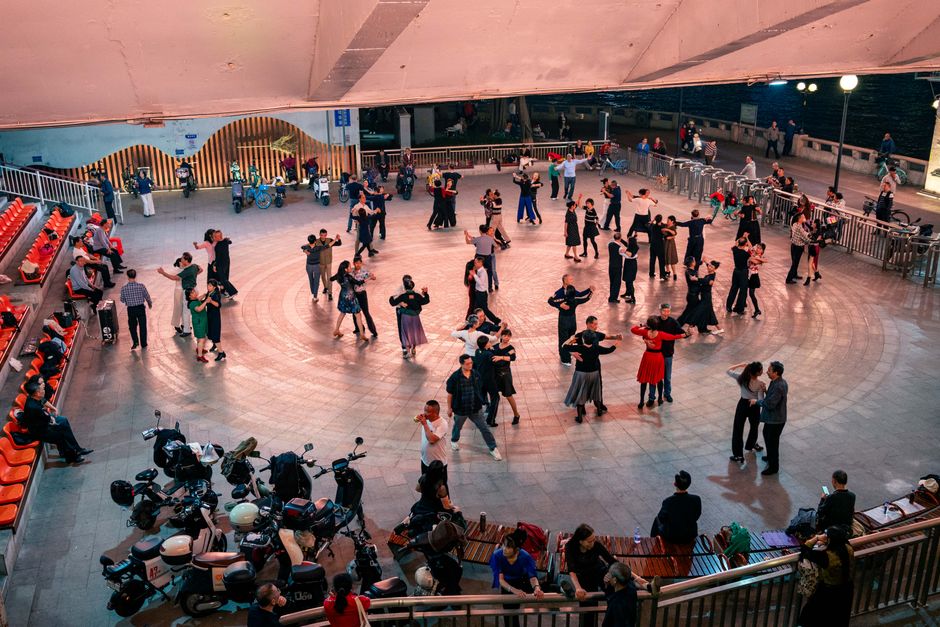
What Are the Core Country Dance Styles Found in Temple, TX?
The majority of social country dances in Temple, TX halls can be sorted into several main styles, including two-step, waltz, and line dance. Each has distinct steps, rhythms, and a place in the local dance hall routine.
Most often, dancers in the city will encounter:
- The Two-Step (sometimes called "Texas Two-Step")
- Country Waltz
- Line Dances (popular group routines set to current or classic country songs)
- West Coast Swing (less common but present in some local venues)
Understanding the foundation of each style helps area residents choose which to learn first and participate confidently in local gatherings.
How Does the Two-Step Work and Why Is It So Popular?
The Two-Step is the bread-and-butter partner dance in any Texas country dance hall, including those in Temple. It’s known for its lively, traveling motion around the floor and partner-led moves.
Direct explanation: The basic Two-Step sequence is a quick-quick-slow-slow rhythm. The leader typically starts with the left foot, moving:
- Quick step forward (left)
- Quick step forward (right)
- Slow step forward (left)
- Slow step forward (right)
Followers mirror this with opposite feet back. The whole group moves counterclockwise around the dance floor. Dancers in Temple appreciate the Two-Step for its:
- Straightforward steps suited to beginners and experts alike
- Compatibility with most upbeat country music
- Social energy, with plenty of opportunities for spins and turns as skill grows
A common misconception is that speed is more important than timing. However, it’s the consistent rhythm and smooth transitions that actually make the Two-Step enjoyable for both partners.
What Is the Country Waltz and How Is It Different?
Country waltz, regularly played at local events, is slower and more graceful compared to the Two-Step.
Direct explanation: Waltz uses a 3-count pattern: step-step-step (or "1-2-3"), usually gliding gently across the floor. Partners rotate as they move, creating a flowing circular pattern.
Key differences from the Two-Step:
- Waltz music is always in 3/4 time, not the standard 4/4 for most other country dances.
- The pace is slower, focusing on balance and smooth turns rather than sharp footwork.
- Waltz is especially popular for slow songs, such as those marking special occasions.
New dancers often assume waltz is more formal, but in local dance halls, it’s simply part of the evening’s variety and suitable for anyone to try.
How Do Line Dances Work and Why Are They Welcoming?
Line dancing is a staple at community events and local halls since it requires no partner and offers a fun way to join in even without previous experience.
Direct explanation: Participants form rows and perform choreographed sequences at the same time, usually to well-known songs. Each song typically has its associated sequence of steps, which might include slides, heel taps, claps, or turns.
Line dance benefits for local residents:
- Anyone can jump in at nearly any point in the song
- Steps are repeated throughout the tune, making it easy to catch on even mid-dance
- Provides a friendly way for newcomers or solo attendees to make connections
A helpful tip: watching the feet of dancers in front or beside you can be the fastest way to learn. Asking experienced regulars is also common and usually welcomed in the city’s laid-back dance halls.
Why Is Footwork So Important in Country Dance?
Consistent footwork keeps dancers moving smoothly with the music and prevents collisions on the dance floor.
Direct explanation: Maintaining proper rhythm and stride ensures movement in harmony with one’s partner (or the group, in line dances). In most venues, especially during busy nights, clear and steady steps:
- Prevent stepping on toes
- Help maintain navigation around the floor
- Keep the group traveling safely counterclockwise (the traditional “line of dance” in partner dances)
Ignoring simple rules—like cutting across the floor instead of sticking to the periphery—can create bottlenecks or even minor accidents, making dance etiquette and awareness crucial in lively halls.
What Should Beginners Focus On When Learning Country Dance?
Area newcomers should start by practicing a few essential skills before adding flair or more advanced moves.
Direct explanation: The biggest priorities for beginners include:
- Remembering the rhythm—counting steps out loud or in your head
- Keeping steps small to stay balanced
- Watching fellow dancers for cues and spacing
- Beginning with basics before trying spins or dips
It’s common to feel nervous about making mistakes. In reality, most Temple dancers support each other, and even advanced participants miss a step now and then. Comfort builds with practice and repetition—showing up regularly is often the most helpful action.
How Do Local Events Shape Country Dance Experience?
Seasonal events, holidays, and music preferences in the area impact which steps and dances come up most often.
Direct explanation: Theme nights and live music at local halls may spotlight specialty dances or feature new songs that inspire fresh line dance routines. Around certain holidays, expect to see specific themed line dances or group numbers gaining popularity for a few weeks.
Additionally:
- Attire (like boots and hats) often helps set the tone, but comfort and safety for moving remain most important.
- Seasonal crowd sizes influence the space available for expansive moves or intricate turns.
- Dance etiquette—including polite partner requests and respect for personal space—keeps the atmosphere friendly and accessible.
Residents who keep an open mind and try something new each visit soon find their favorite steps and routines, shaping not just their own skills but the shared culture of country dance in the community.