

 See My Latest Article on HelloNation
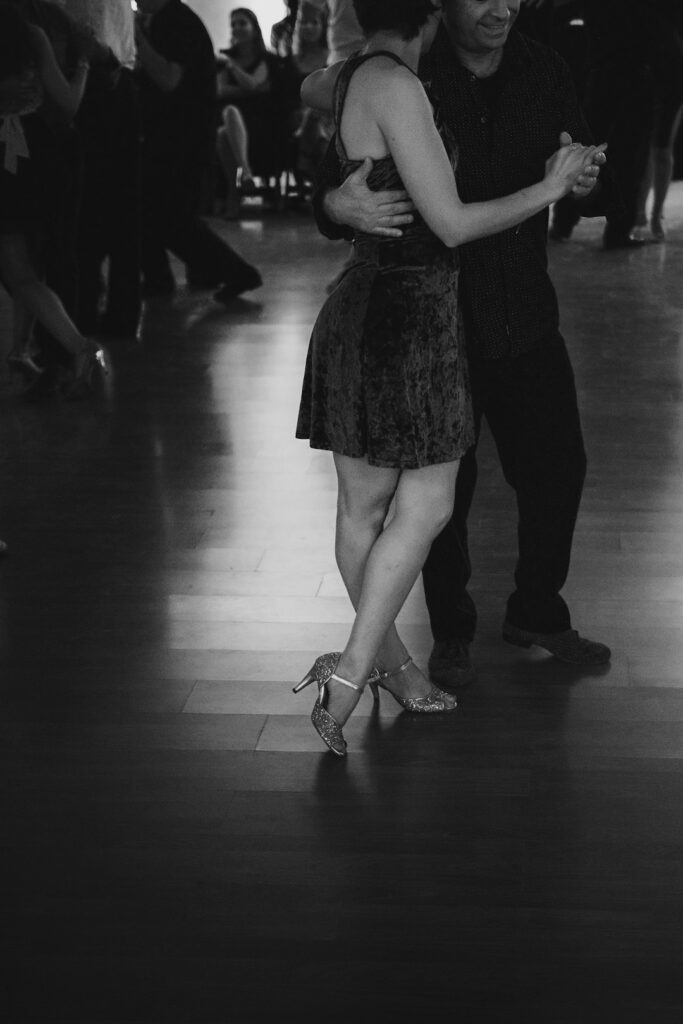
Partner dancing in Temple, TX, is easier to learn when couples focus on balance, timing, and comfortable communication before attempting fast turns. A few foundational patterns can provide enough variety for a country dance hall setting while helping both dancers feel steady and relaxed.
Which couple’s country dance moves are easiest to learn first?
The easiest starting moves are the basic two-step, closed-position walking patterns, and simple side breaks. These movements teach the skills used in nearly every partner dance: matching the beat, maintaining a consistent frame, and changing direction without pulling or rushing.
Beginners often make the mistake of trying to memorize a long sequence. A better approach is to learn a small group of movements and connect them smoothly.
Basic two-step
The country two-step commonly follows a quick-quick-slow-slow rhythm. The exact count may vary with the music and local teaching style, but the underlying idea stays the same:
- Take two shorter steps followed by two slower traveling steps.
- Keep the steps compact rather than reaching across the floor.
- Move with the rhythm instead of trying to cover too much distance.
- Practice forward, backward, and slightly diagonal travel.
The lead generally guides direction through the body and arms, while the follow responds to those signals. Both partners should keep their own balance rather than leaning into one another.
Side breaks
A side break adds variety without requiring a complicated turn. From a comfortable partner position, the couple steps slightly to one side, returns to center, and continues the basic pattern.
This move is useful because it teaches dancers to shift weight clearly. If the weight change is incomplete, the next step can feel hesitant or off time.
How should couples hold their frame?
A good dance frame is supportive but not rigid. The upper body should remain upright, with relaxed shoulders and elbows that are gently rounded. Each dancer should maintain enough connection to sense direction without gripping the other person.
The lead’s hands should guide rather than push. The follow should keep a responsive connection rather than anticipating every movement. This distinction matters because partner dancing is a conversation through movement, not a series of forceful instructions.
A comfortable frame usually includes:
- Relaxed shoulders and hands
- Elbows held naturally rather than pressed tightly against the body
- Light contact through the joined hands
- A stable torso with movement coming mainly from the feet and legs
- Enough space for both partners to step without bumping knees
Couples should also agree on personal comfort before dancing. A more open hand connection may feel easier for beginners than a close embrace, especially in a crowded room.
What turns can beginners safely add?
The underarm turn is a practical first turn because it can be performed with limited travel. The lead raises the connected hand to create a clear pathway, and the follow turns beneath the arm while keeping steps small.
The turn should not be forced by rotating the wrist or pulling the arm. The lead creates space, and the follow moves through it. A steady rhythm is more valuable than a fast rotation.
Underarm turn
Start with a basic two-step or walking pattern. As the couple approaches the turning portion:
1. The lead signals the turn by lifting the joined hands.
2. The follow steps forward into the open space.
3. The follow rotates while keeping the head level and the steps controlled.
4. Both partners reconnect to the basic pattern.
The lead should avoid lifting the arm too high or bending the follow’s elbow. The follow should avoid ducking under the arm, which can strain the neck and shoulders.
Open break
An open break briefly separates the couple while maintaining a hand connection. It creates room for an underarm turn or a change in direction. This is often easier to understand than trying to turn directly from a close position.
The most common difficulty is allowing the arms to become straight and tense. A light, elastic connection helps the couple move apart and come back together smoothly.
How can couples add movement without losing the beat?
Once the basic steps feel reliable, couples can try a promenade-style pattern, a change of direction, or a simple inside turn. These moves should be added one at a time. If the timing becomes uncertain, return to the basic two-step and reestablish the rhythm.
A useful practice method is to repeat each pattern for one song section before combining it with another. For example:
- Begin with two-step basics.
- Add a side break.
- Return to the basic pattern.
- Introduce one underarm turn.
- Finish with a walking pattern or open break.
This structure helps dancers recognize where a move begins and ends. It also gives both partners a predictable reset point.
Couples should leave enough space between groups on the floor. Traveling patterns can carry dancers into the path of others, especially when several pairs are moving counterclockwise around the room. Watching the traffic ahead and adjusting speed are part of good floor etiquette.
What should beginners wear and bring to a dance hall?
Comfortable clothing and stable footwear make learning easier. Shoes should allow controlled movement without sticking sharply to the floor or sliding unpredictably. Very soft athletic shoes may grip too much, while smooth-soled footwear may slide more than a beginner expects.

In Temple, TX, warm and humid conditions during much of the year can make indoor dancing feel strenuous, particularly for people who are not accustomed to continuous movement. Lightweight clothing, water, and short rest periods can help maintain comfort. During colder weather, layers are useful because a dance hall may feel cool before dancing and warm after several songs.
Avoid:
- Loose accessories that can catch on a partner’s clothing
- Tall or unstable heels
- Shoes with damaged soles
- Clothing that restricts the shoulders or knees
- Large bags placed near the edge of the dance floor
A small amount of foot powder or a change of socks may help with comfort, but dancers should avoid adding substances to the floor or footwear without permission. Floor surfaces vary, and anything that changes traction can create a safety concern.
What are the most common mistakes?
Most early problems come from rushing, overstepping, or trying to lead or follow with the arms alone. These habits can be corrected with slower practice and clearer weight changes.
Common mistakes include:
- Taking steps that are too large
- Starting before the musical phrase is clear
- Pulling a partner into a turn
- Looking down continuously at the feet
- Changing patterns without giving a signal
- Continuing a move after losing the rhythm
- Apologizing repeatedly instead of calmly resetting
If a couple loses the beat, returning to a simple walking pattern is usually more effective than stopping abruptly. If a turn feels uncomfortable, reduce the rotation and repeat the basic step.
How can couples practice at home?
A small, clear area is enough for practicing timing and connection. The floor should be free of loose rugs, cords, furniture corners, and other obstacles. Home practice does not need to reproduce a full dance hall; it only needs to provide enough room for controlled steps.
Practice without music first by saying the rhythm aloud. Then use slower music and focus on:
- Even weight changes
- Matching step length
- Relaxed arms
- Starting and stopping together
- Returning to a familiar basic pattern
A useful agreement is for either partner to say “reset” when a movement becomes confusing. The couple can pause, return to a neutral position, and try again without treating the mistake as a failure.
The goal is not to perform every move in one evening. A couple that can stay balanced, communicate clearly, and move respectfully around other dancers is already building the skills needed for more advanced patterns.