

 See My Latest Article on HelloNation
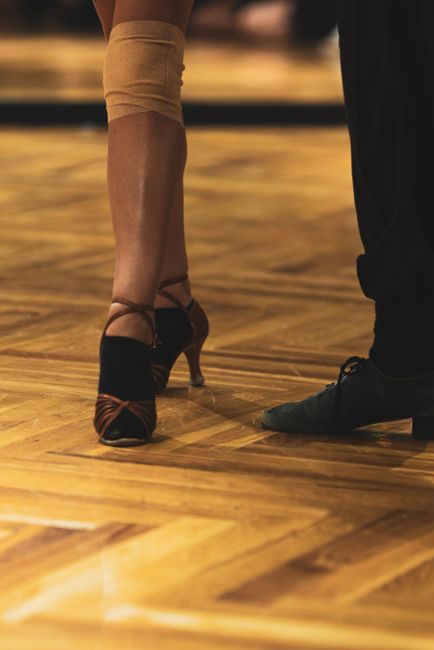
Going to a country dance for the first time can feel intimidating, especially if the floor is busy or many people appear experienced. The good news is that most dancers are focused on listening to the music, following the rhythm, and enjoying the evening—not judging beginners.
Nerves usually decrease once the setting becomes familiar. A little preparation, realistic expectations, and a willingness to make mistakes can make the first visit much more comfortable.
Why do first-time dancers feel nervous?
First-time nerves often come from uncertainty rather than dancing itself. A person may be unsure what to wear, whether a partner is required, how quickly the music will move, or what to do if a step is missed.
Several concerns are especially common:
- Worrying about being watched
- Fear of stepping on someone’s foot
- Not knowing the basic terminology
- Feeling awkward asking someone to dance
- Comparing personal ability with experienced dancers
- Expecting to remember every step immediately
These concerns are normal. Country dancing includes repeated patterns, and beginners are not expected to understand everything during the first song. Even experienced dancers occasionally lose the rhythm, forget a turn, or restart midway through a pattern.
What should a beginner expect at a country dance hall?
A typical evening may include social partner dancing, line dancing, or both. Music can range from slower country songs to faster two-step or shuffle rhythms. Some dances are taught before the music begins, while others are learned informally by following the movement of nearby dancers.
The floor may have several skill levels at once. Beginners often do better by standing near the edge rather than placing themselves in the center. This position provides more space and makes it easier to observe the general flow of the room.
It is also reasonable to watch for a few minutes before joining in. Observing the floor can help answer practical questions:
- Are most people dancing with partners or in lines?
- Is the music currently slow enough for a beginner?
- Do dancers rotate partners?
- Is there a lesson or demonstration taking place?
- Which areas of the floor appear less crowded?
A first visit does not need to include dancing every song. Watching, listening, and learning the layout are useful parts of the experience.
How can someone prepare before leaving home?
Preparation should reduce distractions rather than create pressure to perform. Comfortable clothing is usually more helpful than a carefully planned outfit. Choose clothing that allows the shoulders, hips, and knees to move without restriction.
Footwear deserves special attention. Shoes should fit securely and provide enough smoothness for turning without being dangerously slippery. Very sticky soles can make turns difficult, while overly slick soles may increase the risk of losing balance. Anyone with foot or ankle concerns should choose support and stability over appearance.
Before going out, practice a few simple habits:
- Walk to a steady beat while counting slowly to four.
- Practice shifting weight from one foot to the other.
- Keep the knees relaxed instead of locking them.
- Try stepping forward, backward, and side to side without rushing.
- Practice saying, “Could we start with an easy dance?”
The goal is not to learn a full routine at home. It is to become comfortable with rhythm, weight changes, and simple communication.
Is it necessary to bring a dance partner?
No. Many people attend social dances alone, and arriving without a partner is not unusual. Depending on the event, dancers may invite one another, rotate partners, or spend part of the evening line dancing.
A polite invitation can be simple: “Would you like to dance?” If the answer is no, it does not necessarily reflect anything personal. The person may be resting, waiting for a particular song, or taking a break.
Beginners can also ask for a slower or simpler dance. A considerate partner will understand that a first-time dancer may need clear direction and a moderate pace. It is appropriate to say, “I’m new to this, so please keep it simple.”
Good social dancing includes respect for boundaries. No one is required to accept an invitation, continue a dance, or perform a move that feels unsafe.
What should a beginner do after missing a step?
The simplest response is to keep moving and rejoin the rhythm. Stopping suddenly can create more difficulty than making a small mistake. If the pattern is lost, use basic side steps or walk gently in place until the next phrase begins.
A useful recovery method is:
1. Relax the shoulders and avoid rushing.
2. Listen for the beat rather than trying to recall every movement.
3. Watch the partner’s general direction without pulling or pushing.
4. Rejoin when the sequence becomes familiar again.
5. Smile or briefly acknowledge the mistake if needed, then continue.
A missed step is usually less noticeable than it feels. Most dancers understand that social dancing is interactive and that beginners are learning in real time.
How can nerves be managed on a crowded dance floor?
Crowded floors can feel overwhelming, particularly during faster songs. Beginners should leave extra space around themselves and avoid attempting large turns until they understand the traffic pattern.
In a partner dance, keep movements compact. Large arm motions, sudden direction changes, and stepping backward without looking can create collisions. In line dancing, maintain the spacing of the group and avoid moving ahead of the line.
It may help to take breaks between songs, drink water, and step away from the floor if concentration starts to fade. Temple’s warm seasons can make indoor activity feel more tiring, especially when a hall is crowded, so comfortable clothing and regular hydration are practical considerations.
If the floor becomes too busy, waiting for a slower song is not quitting. It is a sensible way to choose conditions that support learning.
What mindset helps most during a first visit?
A first country dance should be treated as an introduction, not a test. Success may mean staying for an hour, learning one basic pattern, asking one person to dance, or simply becoming comfortable enough to return another time.
Helpful expectations include:
- The first few songs may feel confusing.
- Rhythm matters more than memorizing every name.
- A slow dance can teach more than a fast one.
- Asking questions is acceptable.
- Resting is part of the evening.
- Improvement usually comes from repeated, relaxed exposure.
Trying to appear experienced often increases tension. Beginners generally learn faster when they focus on staying balanced, listening to the music, and communicating clearly.
What are common mistakes to avoid?
Several habits can make the first night harder than necessary. Arriving in uncomfortable shoes, choosing the fastest song immediately, or gripping a partner’s hand too tightly can create avoidable stress.
It is also unhelpful to apologize repeatedly after every mistake. A brief acknowledgment is enough. Constantly saying sorry can make both dancers more self-conscious.
Another common misconception is that everyone must learn formal steps before participating. Social dancing often involves adapting to a partner and responding to the music. Basic timing, awareness of nearby dancers, and respectful behavior are more valuable than knowing a long list of dance names.
The most useful first-night goal is simple: become comfortable enough to listen, move, pause, and try again. Once the surroundings and basic rhythms feel familiar, confidence usually grows naturally.